Reimagining Tourism for a Sustainable Future

By Frank-Jürgen Richter
September 10, 2025
Tourism has been a vital contributor to global economic growth. It contributes to income for countries through visitor arrivals, and also helps in the creation of productive and inclusive jobs; formation of innovative firms; supports the socioeconomic empowerment of local communities and vulnerable populations, particularly women.
In 2024, the tourism industry contributed US$10.9 trillion to the global GDP, accounting for 10% of the global economy. Approximately one in every ten jobs worldwide is supported by the tourism sector. Moreover, international visitor spending has also surged, reaching US$1.9 trillion.
The tourism value chain has a far-reaching effect. It extends beyond the tour operators and airlines. It is a critical enabler of livelihoods for millions such as local tourist guides and activity providers, local markets, and artisans.
Take the case of Vanuatu, an island nation in the Pacific, where tourism employs 55% of its labor force and forms 65% of its GDP. Not just in the economic area, tourism also helps Vanuatuan communities build resilience to climate change. Understanding the sector’s importance as Vanuatu’s key economic pillar, the government introduced a Rapid Climate Risk Assessment Framework and methodology in 2024. Applied on a tourism case study, the framework yielded valuable insights and actionable recommendations, including investment in resilient infrastructure; adoption of climate-smart practices; and capacity building for tourism operators to effectively respond to climate-related challenges using climate information tools such as the Vanuatu Climate Futures Portal.
In a keynote address at a Public Lecture by the Namibia University of Science and Technology, the Secretary-General of UN Tourism, Zurab Pololikashvili, underscored the need for inclusive development, innovative policymaking, and sustainability in the tourism sector. “We have a responsibility to ensure that tourism, along with other strategic industries, empowers everyone. From the rural village benefiting from community-led ecotourism to the young person discovering opportunities in data analytics and hospitality entrepreneurship, we must create a shared ecosystem of success,” he urged.
Tourism’s Unchecked Impact
Although tourism’s benefits to economies and communities are significant, one cannot overlook the risks that unchecked tourism or overtourism is having on the environment and societies. Overtourism leads to a barrage of negative impacts such as overcrowding of a place, straining its local infrastructure, reducing the quality of life for the residents, and also impacts the visitor experience.
Iconic tourist spots such as Venice is also facing the problems of overtourism that has left the city depopulated, with higher rentals and lesser businesses catering to the locals. “There is virtually no economic activity in Venice outside of tourism. Small businesses that once served the community have disappeared. One beloved toy shop was forced to close when the rent became unaffordable. The property sat empty for five years before being turned into yet another real estate agency,” said a tour operator.
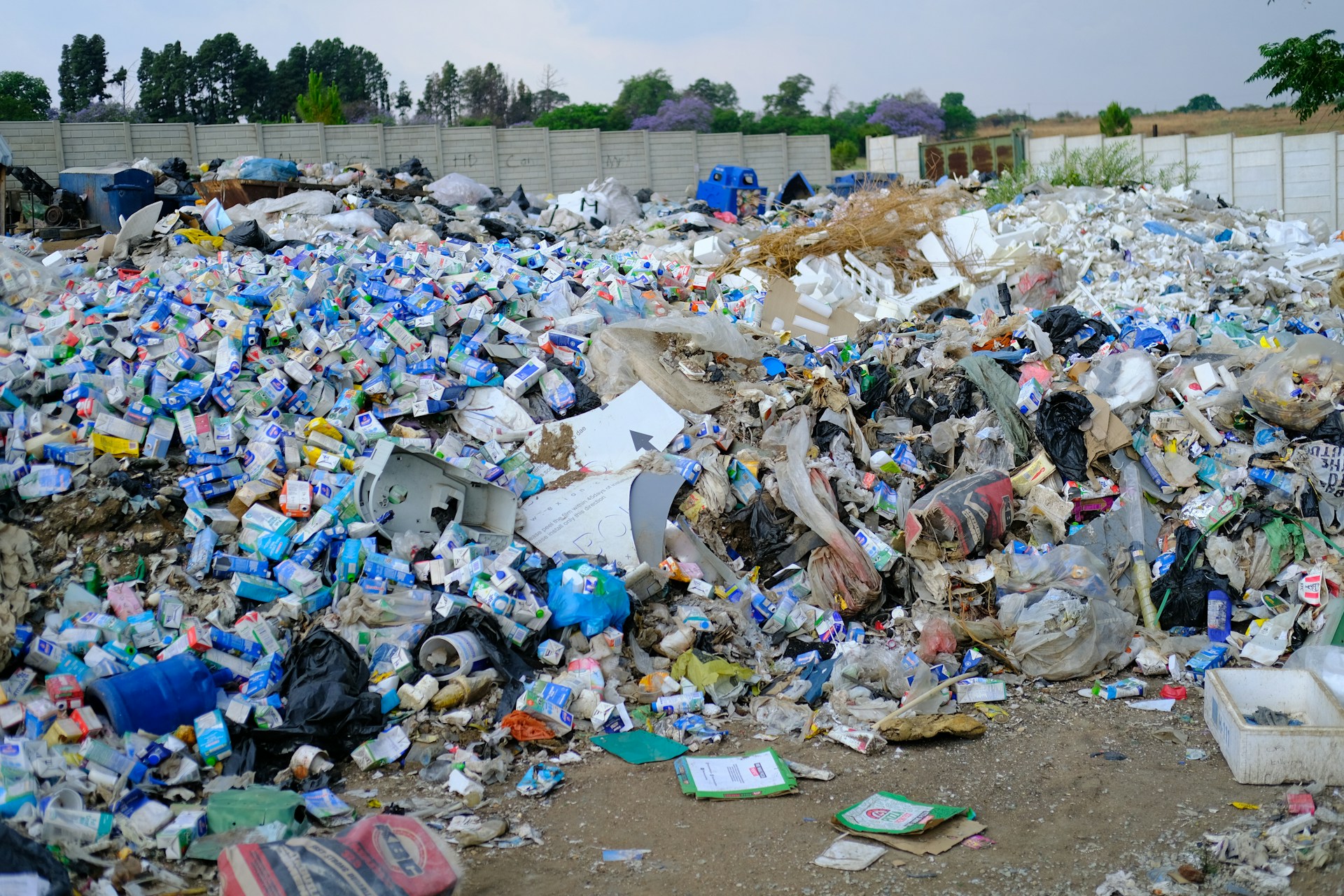
Overtourism also greatly hampers the local environment. In 2018, the Thailand government decided to close May Bay, a popular beach destination in Thailand, indefinitely. The small beach had to cope with 5,000 tourists and 200 boats a day, destroying more than 80% of the coral reef around the bay. Similar initiatives were taken in the beach resort of Boracay in the Philippines and a coastal stretch in the island of Bali in Indonesia after these popular tourist destinations were found to be dirty and their waters full of rubbish.
Excessive tourism has also left the tallest peak on earth, the Mount Everest, precariously polluted. Standing at 8,849 meters tall, the highest mountain in the world, suffers from increasing waste pollution, generated by thousands of incoming visitors, who desire to summit the Everest. Tons of human waste lie in the mountains surrounding the Everest, exposing dangers of serious health risks for everyone, who depend on the mountain’s watershed for its source of drinking water.
Reimagining Sustainable Tourism
Tourism has to be rethought. The traditional model where economic profits dictate the development of tourist destinations and its management, cannot be the only requisites. Tourism needs to become more than that. It will also need to encompass the social and environmental factors. The focus should be to develop the tourism sector, in a way that is not only beneficial to big players in the sector, but also the indigenous and local communities that surround the emerging tourist destinations.
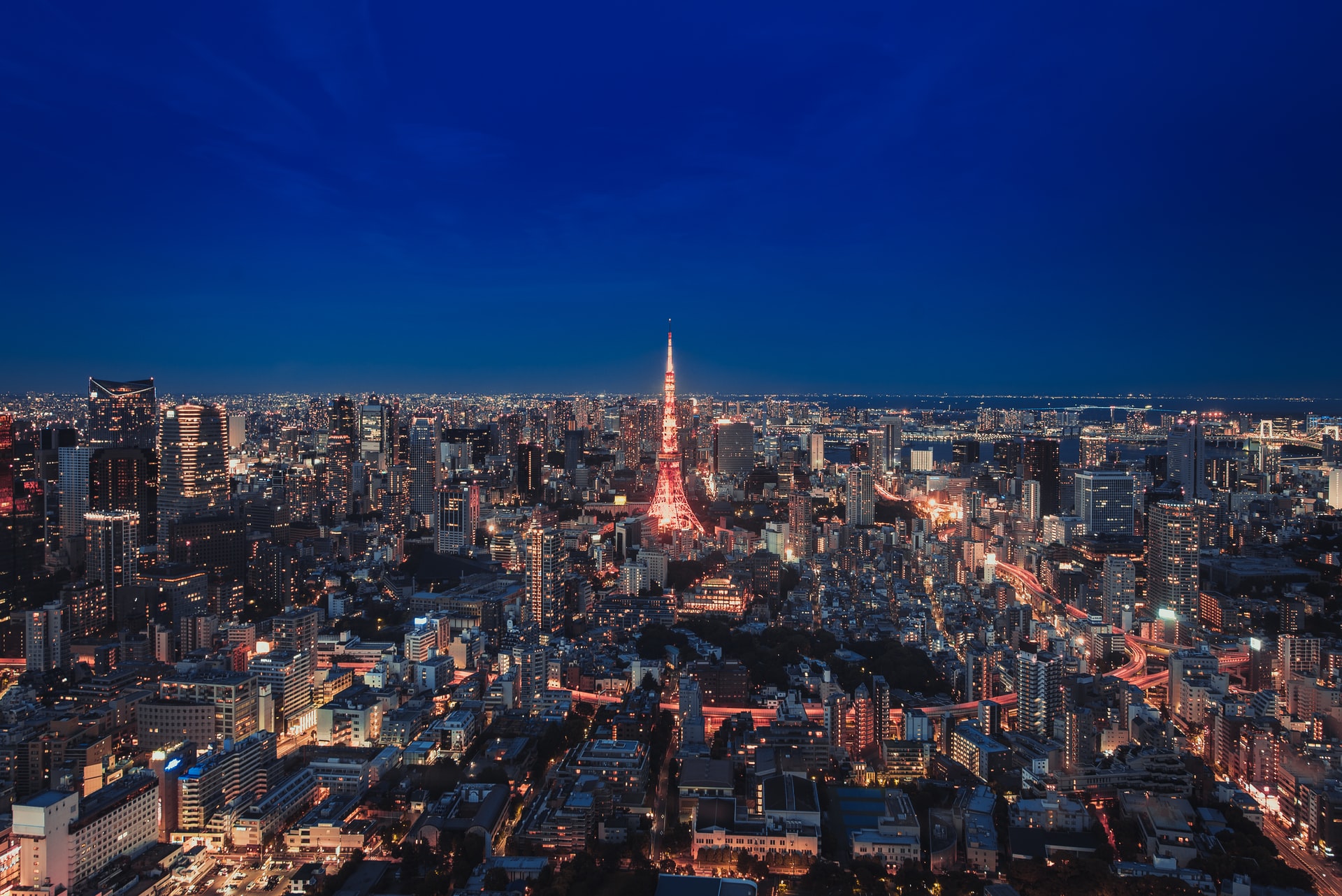
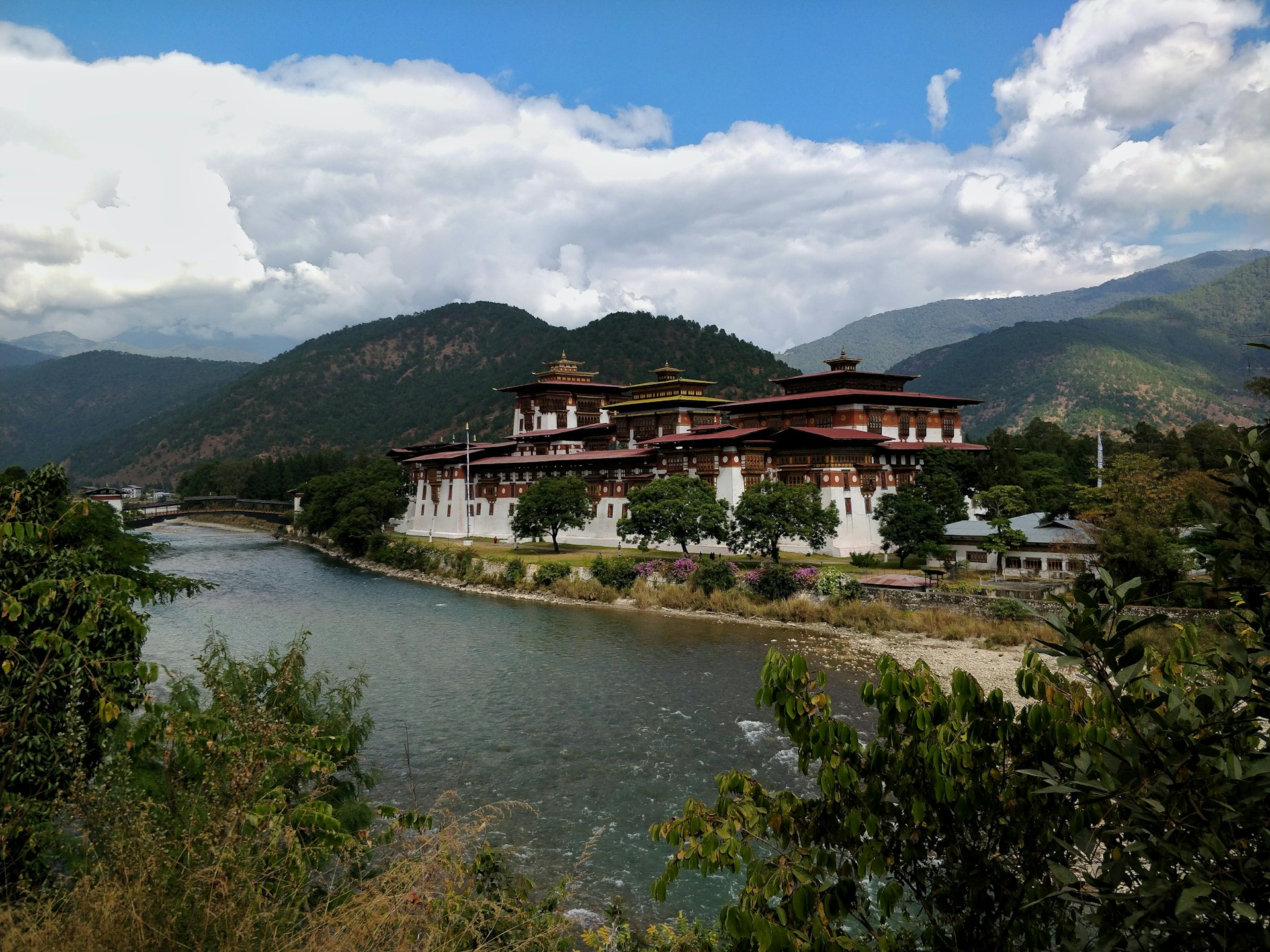
Several destinations have implemented measures to keep overtourism in check. Countries such as Indonesia, Ecuador, Spain, Italy, Greece, and Japan have tourist taxes in place. Ecuador charges up to US$200 daily to international visitors, visiting its Galapagos Islands, while Bhutan, a small landlocked nation in Asia, charges US$100 daily to promote low-impact tourism in the country. Meanwhile, Greece has put in place caps and time slot bookings to reduce footfall to its acropolis, Athens. Amsterdam, a famous tourist destination in Netherlands has a more ambitious plan, that which includes limiting river cruises, banning new hotels, reducing visitor count to 271,000 annually, and capping overnight stays to 20 million people.
Going forward, a more collective action is warranted, that which encompasses inputs not only from the government, but also the private players and community leaders. This will ensure that tourism becomes resilient and sustainable, and continues to play a vital role as an economic growth tool while also achieving the sustainable development goals.
Horasis believes that our present challenges warrant a more collaborative approach and innovative thinking – which is both inclusive and sustainable. In this spirit, we are organizing the 10th edition of the Horasis Global Meeting, scheduled to take place in São Paulo, Brazil, between 7 to 10 October 2025. The meeting will host several panels and plenary sessions with experts from various fields, bringing their points-of-views and knowledge to seek a more holistic, inclusive, and sustainable framework to our present challenges.
Photo Caption: Thimphu, Bhutan. Many countries around the world charge a fee to visitors to keep overtourism in check.