Cooperation is still in the room

By Santiago Ardisson, Jean Monnet Module Coordinator, Escuela de Gobierno
October 1, 2025
Cooperation is not trendy these days. In our society, fear and hate seem more appealing than trust and collaboration. At the national level, political polarization often prevents dialogue and joint action. At the international level, space for cooperation is shrinking compared to previous decades. Yet, the challenges we face today make cooperation indispensable. Whether nationally or globally, the complexity of our world demands trust as a basis for cooperation and innovation.
Globally, we are witnessing a contestation of the liberal international order, particularly by the United States. This country, once a founding pillar of the post–World War II order—through the Bretton Woods institutions, the creation of the United Nations, and the GATT/WTO—has been stepping back from its traditional leadership role in multilateralism. In contrast, as the U.S. retreats, China is increasingly positioning itself as a promoter of multilateral engagement. This was clearly expressed during the 2025 Munich Security Conference by Foreign Minister Wang Yi. While the future of this multilateral order remains uncertain, we can already draw some reflections on the current state of cooperation. Despite its weakening, cooperation still works, especially at the international level.
Cooperating for development across national borders
Development remains one of the key areas where nations tend to cooperate. Yet, according to the World Bank, global economic growth in this decade has been the slowest since 1960—making the case for stronger cooperation even more pressing. Despite that, the current situation is weaker than in the last decade.
If we look at the last two Conferences on Financing for Development, the contrast is evident. In 2015, the Third International Conference on Financing for Development reached an ambitious agreement: “an enhanced and revitalized global partnership for sustainable development, led by governments, would serve as the vehicle for implementing the post-2015 development agenda”. That moment coincided with other historic milestones, such as the Paris Agreement and the adoption of the 2030 Agenda.
A decade later, at the Fourth International Conference on Financing for Development (FFD4), hosted by Sevilla in June 2025, the picture was very different. The United States chose not to participate and withdrew from the “Compromiso de Sevilla,” arguing that although it remained committed to long-term economic development and international cooperation, they consider that the text proposes new, costly, and duplicative mechanisms that will undermine the effectiveness of existing efforts. They have also highlighted that they no longer reaffirm the 2030 Agenda for Sustainable Development and the Sustainable Development Goals (SDGs) as a matter of course.
Despite this withdrawal, the Summit gathered more than 60 heads of state and government, alongside leaders of international organizations, companies, NGOs, multilateral financial institutions, civil society, and the United Nations. This broad coalition made it possible to reach an agreement that would not have been feasible with U.S. participation. The outcome included steps to boost investment in sustainable development, address the debt crisis affecting many of the world’s poorest countries, and give developing nations a stronger voice in the global financial architecture.
FFD4 thus stands as an example of what might be considered the green shoots of a new multilateralism. From the World Health Organization’s Pandemic Agreement to the UN High Seas Treaty and the successful UN Ocean Conference, international cooperation is not disappearing but adapting to difficult times. We see that while the United States, under the Trump administration, has stepped back, the rest of the world has shown determination to move forward.
Cooperation Still Works
Despite the overall weakening of international cooperation, there are moments—particularly during crises—when cooperation proves still working and being effective. A clear example happened during the COVID-19 pandemic. Initiatives such as COVAX, led by the Gavi Alliance, CEPI, WHO, and UNICEF, played a vital role in accelerating the development and manufacturing of vaccines and ensuring fair and equitable access for countries worldwide.
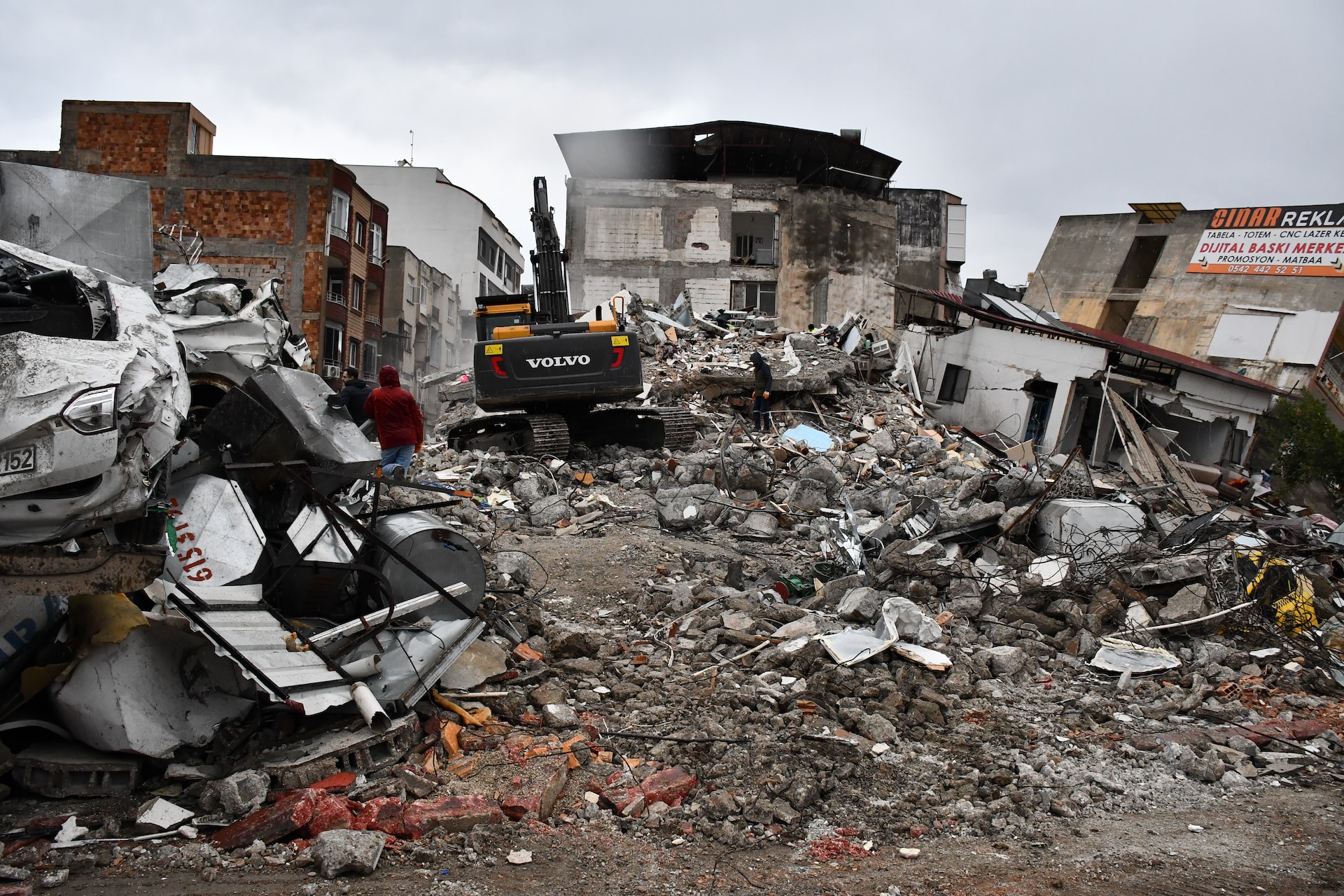
More recently, climate-related disasters have also shown the enduring value of solidarity. Floods in Argentina (Bahía Blanca) and Spain (Valencia) triggered not only local support from affected citizens but also assistance from abroad. International cooperation—including aid from the United States, the European Union, and the United Nations—was crucial in addressing these emergencies.
The Global South and Brazil
It is in the Global South where cooperation is most urgently needed and where, amid today’s shifting landscape, leadership is emerging to reinforce multilateralism and international cooperation. In Latin America, Brazil has taken on this role. In 2024, it hosted the G20 Summit; in 2025, it convened the BRICS Summit; and later this year, in November 2025, it will welcome the world to COP30 in Belém. Through a foreign policy aimed at strengthening its global voice and positioning itself as a key international player, Brazil is advancing the interests of the Global South while also fostering closer ties between North and South.
Brazil’s leadership in cooperation is not limited to the national level. Subnational actors are also making significant contributions. In 2024, the State of Espírito Santo hosted the first edition of the Horasis Global Meeting in the Global South. Under the theme Building Bridges, the event brought together delegates from across the world, including leading CEOs, renowned entrepreneurs, thought leaders, ministers, and civil society representatives in the city of Vitória. This year, São Paulo—the economic capital of Latin America—will host the meeting once again, this time with the goal of harnessing the power of cooperation.
Cooperation with a Latin voice
Cooperation has been a fundamental aspect of human society throughout history. By nature, humans are social beings who thrive through collaboration and mutual support. While competition undeniably plays a role in shaping our interactions and progress, cooperation remains a vital force—even in periods when it may not be considered fashionable or widely embraced.
Recent experiences serve as compelling evidence that cooperation continues to yield positive outcomes. As the global order undergoes significant transformation, it is clear that Latin America is poised to play a pivotal role. The region is not only adapting to these changes but also actively influencing and shaping the international agenda for the future.