Regenerative Economies start at the core
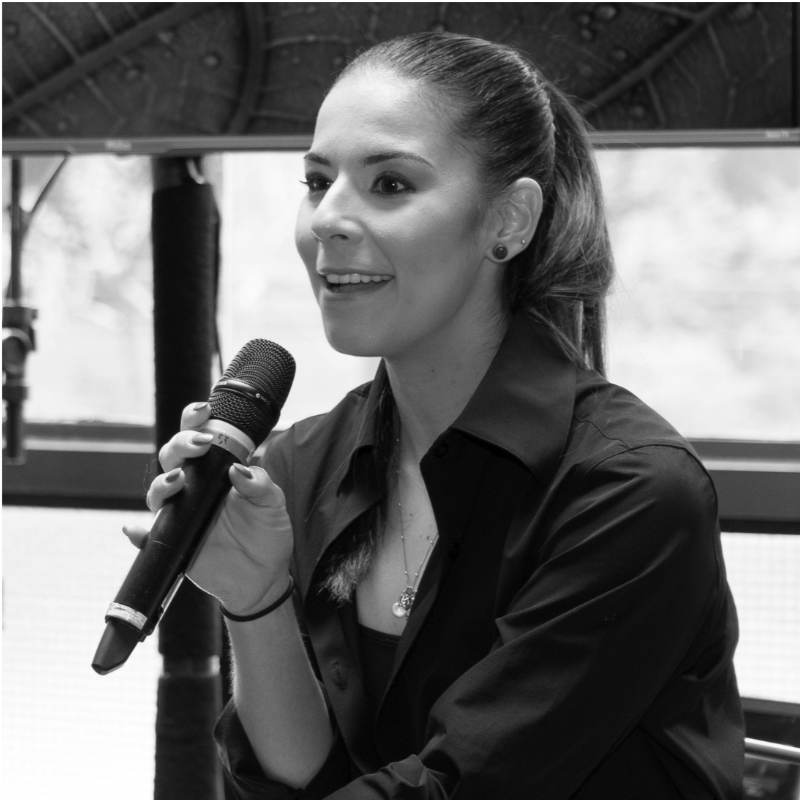
By Paula Costa, Founder, Passion Economy Journey, Portugal
May 8, 2026
Economic systems are downstream from culture – and culture is downstream from protagonist leadership. To scale impact in a world facing systemic volatility, leaders must first master the habits that cultivate thriving communities rooted in a regenerative mindset.
Mastery today lies in the precise selection of time and space for every connection. Some topics belong at a dinner table, some decisions don’t fit in a WhatsApp message. While certain content is for a private circle, other insights are catalysts worth sharing with the world. This is about understanding the nuances of our multi-dimensional relationships, communications and transactions.
This is an intergenerational journey of healing and systemic care
The essential human exercise required here is curation, and true curation is an act of care. Just as curators in art, fashion and design help us interconnect and co-regulate, this same principle of co-regulation serves as the regenerative principle of nature. In global markets such as retail and media, curation is often used as a personalization tool to drive immediate results. However, for the regenerative leader, curation is a tool for **professional integrity**.
The challenge in channel management is complex: the same leader tasked with managing a team is simultaneously learning the discipline of self-management. The individual navigating personal and professional connections, is the same one operating multi-channel and omnichannel communications within the global economy. If we don’t evolve how we manage ourselves emotionally as primary channels in our daily interactions, we lack the cognitive skills to evolve channel management in business and the global economy.
From global to glocal, the Care Economy is a fundamental strategy for Building Tomorrow
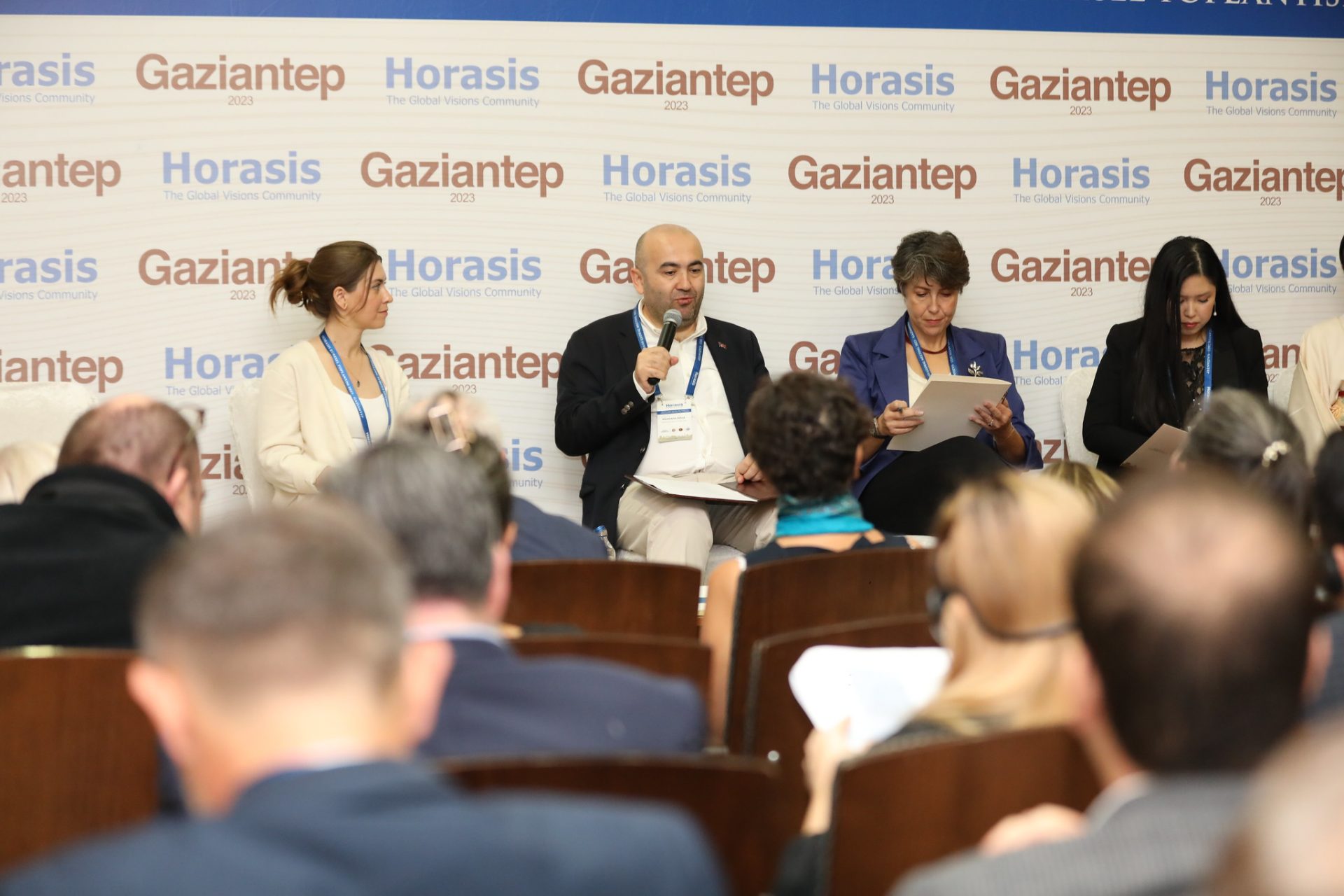
As recently highlighted for the Horasis Global Meeting 2026, the path toward a sustainable future requires us to align our project structures with the human regenerative essence. Every sector is now transitioning toward “**relationship as capital**”. This shift empowers financial capital through the depth of intentional human connection:
– Tourism: Moving from transactional service to authentic belonging.
– Health: Shifting from individual sickness to community resilience.
– Automotive: Evolving from machine movement to people-centric mobility.
– Tech: Transiting from high-performance processing to high-human connection.
Operating as Nature: The Strategic Framework
This global challenge evokes the alignment of technical data with human curation to bridge the gap between strategic intent and conscious consumption. To sustain the shift toward relationship as capital, leadership must integrate professional operations with the natural cycles of high performance, assuming full protagonism<https://horasis.or
1. Internal Regeneration: Aligning individual mindset and lifestyle as the foundation for cultural change;
2. Horizontal Evolution: Exercising protagonism within every layer of belonging;
3. Vertical Growth: Engaging others through a shared sense of communities (ecosystems);
4. Multi-dimensional Movement: Building regenerative structures through non-linear, shared collective effort and progress.
By aligning our micro-habits and evolution with macro-intentions and challenges, we authentically Build Tomorrow as individuals, professionals and global citizens.
This article is by Paula Costa, Founder, Passion Economy Journey, Portugal